Paying zakat is more than a financial obligation; it is an act of spiritual purification. Through zakat, Muslims cleanse their wealth, protect it from mismanagement and nurture a heart of compassion, generosity and social responsibility.
It is a powerful means to benefit the community while simultaneously strengthening personal faith and character.
What Is Zakat?
Zakat is the third pillar of Islam and a cornerstone of the Islamic socio-economic system. By contributing a portion of their wealth, Muslims fulfill a religious obligation, purify their wealth and support the well-being of the wider Muslim community.
Through zakat, individuals not only strengthen their faith but also help uplift the lives of those in need, fostering compassion, solidarity and social equity.
Types of Zakat
Zakat is classified into two main types: Zakat Fitrah and Zakat Harta.
Zakat Fitrah: A personal obligation for every capable Muslim, both male and female, payable according to Syariah conditions. It is traditionally given during the month of Ramadan to purify the fast, foster empathy for the less fortunate and support those in need.
Zakat Harta: This zakat is levied on a person’s accumulated wealth, including savings, investments, business assets and other valuables, once it reaches the nisab threshold and has been held for a full lunar year. Zakat Harta serves to redistribute wealth, support the needy and strengthen the socio-economic fabric of the Muslim community.
Types of Zakat
Zakat Fitrah
A personal zakat that is obligatory for every capable Muslim, both male and female, according to the conditions that have been set.
The primary purpose of zakat in Islam is to establish social justice and economic balance through the redistribution of wealth.
By contributing a portion of their assets to those in need, Muslims help narrow the gap between the wealthy and the less fortunate, while simultaneously purifying their hearts from greed and fostering a spirit of compassion.
Zakat strengthens social cohesion and promotes a just, caring society where members support one another, in alignment with Islamic values.
How Zakat Works
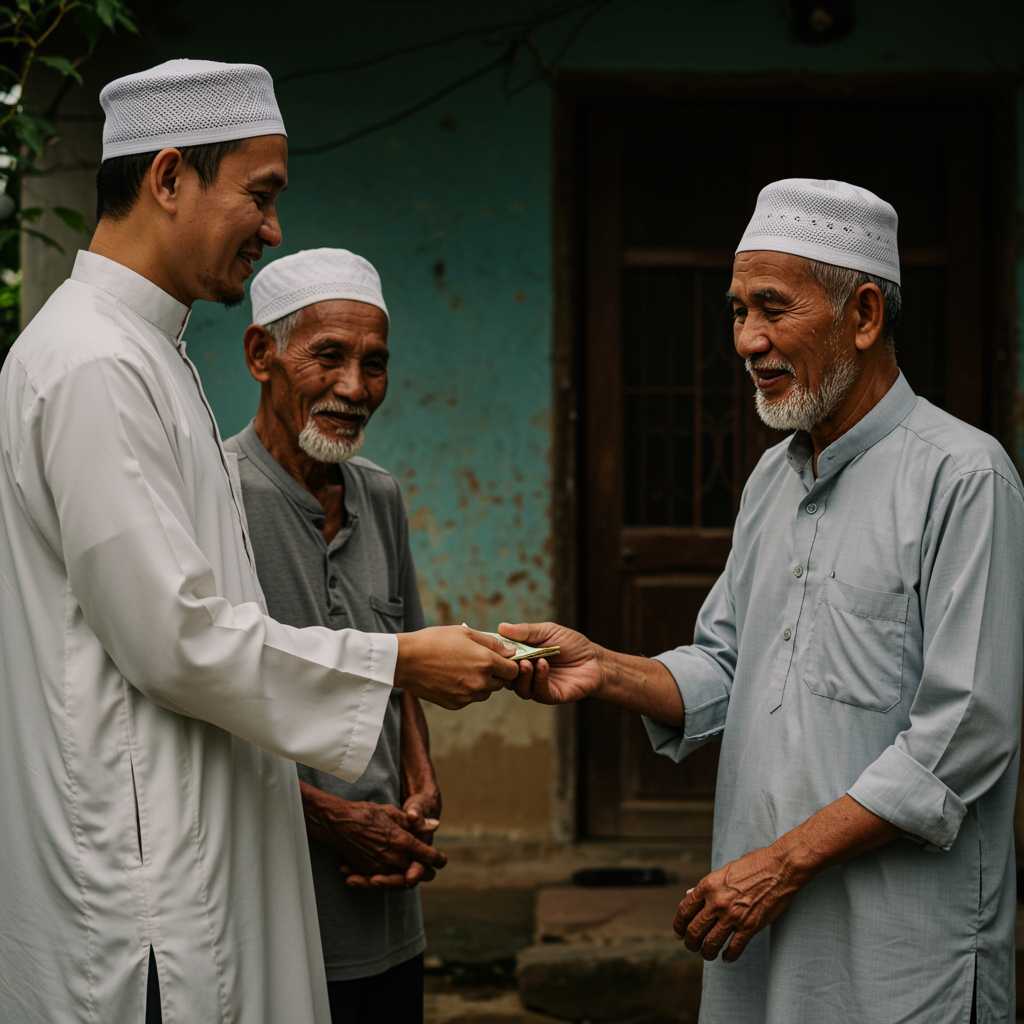
Zakat promotes social justice and economic balance by redistributing a portion of wealth to those in need.
This process provides direct support to the less fortunate, while also purifying the hearts of payers from greed, strengthening community ties and contributing to the reduction of poverty.
By fulfilling this obligation, zakat serves as a powerful tool for both personal spiritual growth and the betterment of society.
By empowering the Muslim community and creating blessings, zakat plays an important role in shaping a just, caring, and supportive society.